Showing posts with label northwest Arkansas. Show all posts

Tuesday, June 4, 2013

Support for the Journey...


THE MATTER 

OF A GAS CARD

Lisa Manzini-Pace, LCSW
   Hope Cancer Resources    


The patient was tall and solid with a weathered and wise face.  He asked for the Social Worker after finishing his chemo treatment at the oncology clinic.  He drove to his daily treatments  from somewhere well into Oklahoma.  The previous week he had called in advance and a gas card had been left at the reception desk.  This no nonsense man had anticipated the same thing this week.

The social worker invited him to her small office in the clinic and explained that a gas card could be given to him in person as well.  The patient indicated that time was an important factor and asked again about how to arrange for it in advance.   He sat for a while after having been issued the gas card.  The social worker asked him a little about himself.  He wasn’t a big talker but indicated that his wife had severe medical issues and would soon require surgery in Fayetteville.  They commiserated on the complexities of health and medical care.  The man had a pleasant sense of humor and they laughed a little.

Each week on the same day he would ask to see the social worker for his gas card.  She learned where he was from originally, the work he had done, about his family and more.  He was not a natural talker but seemed to enjoy the little chats.  The social worker found them pleasant as well.  He liked to laugh despite the hardships of his situation.

In later visits the patient confided that his wife wasn’t doing well.  He, however, appeared to bear up quite well despite his treatments.  They talked about the news.  It had been a turbulent couple of weeks in the nation and the world.
                
Last week the patient asked the social worker if something was wrong.  This surprised her because there had been a serious occurrence but she felt she had concealed her sadness.  She explained about the death of a young man, a senseless and tragic event.  The patient nodded with understanding.   He knew about loss.  He had been in Vietnam.  His kindness was apparent.  He later confided that his wife’s situation was even more complicated.  The social worker offered reassurance and walked him out.  As he was leaving, the man turned back with a sad smile and said, “See you next week.”


Monday, January 21, 2013

Being Proactive About Your Health

If you've ever dealt with a major illness, either personally, or through a loved-one or good friend, you may have heard the term "advocate". More and more often, being an advocate for oneself can prevent difficulties that arise from miscommunications, unintentional delays in care, or simple misunderstandings of expectations.

The National Coalition for Cancer Survivorship (NCCS) published a booklet titled "Self-Advocacy: A Cancer Survivor's Handbook" to help cancer patients and their caregivers navigate the confusing new world of treatment and to help individuals be prepared for most of the possible scenarios. We will share several things from the booklet over the next few months, but today we're focusing on being proactive - things you should know and prepare for before a diagnosis of cancer, or any other major illness.

The following points will, as explained by the NCCS, help reduce your misunderstanding and increase opportunities to get the best care available if, and when, you learn that you or someone you care about is diagnosed with cancer...

Study and understand your health insurance coverage. It is important to fully understand your choice of facilities and health care providers when selecting a health plan. When facing the need for second opinions or researching large treatment centers, you may face barriers to accessing this type of care based on your insurance coverage. If you think that you might want to get an opinion or treatment at a major cancer center and/or specialist out of your area (if you are diagnosed), make sure that you fully understand your "out of network" benefits. If you don't, contact your health plan or your employer's benefits administrator for clarification.

Headlines are meant to sell newspapers and magazines and can be misleading. Hardly a day goes by without a news story heralding some breakthrough or major finding about cancer. One headline tells us certain foods may increase our risk for cancer, while another study and story may dispute that evidence. Keeping up with this kind of news helps you remain an "active" rather than a "passive" consumer, but keep in mind that scientific knowledge about what puts us at risk for cancer evolves constantly. Never hesitate to raise questions with your health care professionals about your risk for cancer based on current evidence.

Reduce your risk of exposure to known cancer-causing agents. We all look forward to the day when we will know for certain what causes cancer. Two very difficult cancers are largely, though not always, caused by lifestyle choices - lung cancer and skin cancer. You can lessen your risk of developing these cancers by not smoking or using tobacco products and by limiting sun exposure. Guidelines regarding screening for the most common cancers are constantly evolving. Check with your physician to determine how the most current evidence regarding screening for breast, prostate, lung and colorectal cancer may apply to you. (You can also contact Hope Cancer Resources' health educators, Casey Shelor or Sandy Prince. They can provide information and printed materials to help you understand the latest screening recommendations for various types of cancer.)

History is not destiny. If you have a family history of cancer, ask a health professional what role genetics or other risk factors may apply to your particular health profile. Understanding "relative risk" versus "actual risk" marks an important distinction when dealing with genetic or heritable risk factors for cancer. Note: If you are diagnosed with breast cancer and are interested in learning more about genetic testing for the BRCA-1 or BRCA-2 genes, contact our health educators for information.

Know and trust your body and your instincts. See your physician with any unusual symptoms that do not clear up in two weeks' time. If you are unsatisfied or instinctively sense that something is wrong, seek another opinion if possible.

(c)2013 National Coalition for Cancer Survivorship. All Rights Reserved. This material may not be reproduced, displayed, modified or distributed without the express prior written permission of the copyright holder. For permission, contact info@canceradvocacy.org

Monday, November 5, 2012

Lung Cancer Today

November is Lung Cancer Awareness Month. In 2008 (the most current year these numbers are available), 2,625 Arkansans were diagnosed with lung cancer, and 2,126 died of the disease. In 2012, the American Cancer Society estimates that over 217,000 men and women in the United States will be diagnosed with the disease. Lung cancer accounts for more deaths than ANY OTHER CANCER in both men and women.

Cigarette smoking is the most common risk factor associated with lung cancer. Men and women who smoke are 23 and 13 times more likely, respectively, to die of lung cancer than men and women who do not smoke. There are other risks, including environmental exposure to secondhand smoke, radon gas, asbestos, certain metals, a history of tuberculosis, and a family history of lung cancer. At times, people are diagnosed with lung cancer with no obvious risk factors at all.

Some might ask why a person who has smoked for years should bother to stop, given that damage has already been done. Because stopping makes a difference! Consider a recent report on a long-term study done in the U.K. that shows that women who quit smoking add at least 10 years to their lives. No matter when it happens, stopping smoking is always the right choice.

Earlier this year the FDA reported that new warning labels like these would be implemented* on cigarette packages to educate people about the dangers of smoking. Some might argue that these dangers have been made clear for years, and that it's fine to leave the personal health of individuals up to those individuals. But unfortunately, the people who live with that person who decided to smoke - often including children - are also at risk. A study reported in May showed that children who are exposed to second-hand smoke do not just suffer from respiratory health challenges in their youth, but that the problems - including chronic cough, wheezing, and asthma - lasted into adulthood even if the child never smoked themselves.

The bottom line is, lung cancer is still much too common in our country, and there is still only one major factor in the diagnosis - tobacco smoke. Make the right choice for you and your loved-ones. Stop smoking, and keep living.


*The implementation date is uncertain, due to ongoing proceedings in the case of R.J. Reynolds Tobacco Co. v. U.S. Food and Drug Administration, No. 11-1482 (D.D.C.), on appeal, No. 11-5332 (D.C. Cir.).

We hope you'll join us this year for our annual Shine-A-Light on Lung Cancer Vigil scheduled for November 15th at our office. It's a lovely evening of remembering, honoring, and educating. Click on the invitation below to register online.

Monday, July 23, 2012

Lots of Fun for a Great Cause!

Painting with a Twist
On July 15th a bunch of great people got together to paint for a couple of hours, and raised $225 for the programs of Hope Cancer Resources. A local franchise of Painting with a Twist hosted a "Painting with a Purpose" fundraiser for us, and those of us who attended agreed it was definitely something we'll do again. We spent two hours visiting, laughing, playing music trivia games and even did a line-dance as a little break from all the amazing art-creating. Creating art can be hard work. They even have a bar in the studio to serve beverages (adult and otherwise). At the end of our two hours we all had a cute little painting to take home with us. What a deal! Thank you to everyone who joined us - we hope to see you again soon.

Bill Fleeman Gentlemen of Distinction - October 5th!!

In addition to the men's fashion show that is always the highlight of the evening, and a fantastic live auction, we're adding a silent auction to this year's event and it promises to be a lot of fun as well. Here is a sampling of the items we'll be auctioning off on October 5th: 
  • Dallas Cowboys football (December 2nd) including 2-nights' lodging in Dallas;
  • Original painting by local artist, Matt Miller;
  • Private suite at Don W. Reynolds Razorback Stadium for the Arkansas vs. LSU game (tickets for eight, limo ride, food and soft drinks included!);
  • Tickets to a live taping of Nickelodeon t.v. show "I Carly";
  • Football autographed by Joe Theismann;
  • Basketball autographed by Mike Anderson;
  • Tennessee Titans jersey autographed by Damian Williams ;
  • Mizuno pro golf bag autographed by Stacy Lewis ;
  • Original art by local artists;
  • Photography sessions from Woodland Photography and Lisa Gray;
  • Gift certificates from Kobe Steak House, Bonefish Grill, Fred's Hickory Inn and Ruth's Chris;
  • Personal beauty procedures from Hull Dermatology, Premier Dermatology and Advanced Dermatology;
  • Spa packages;
  • Embassy Suites stay;
  • Getaway packages to Little Rock, Hot Springs, Eureka Springs;
  • BBQ tailgate package for 10 people for a Razorback baseball game from Head Country BBQ.
Tickets are $125 or you can purchase tables for 6, 8 or 10 people and get a party together. Get more information about tickets and tables by calling Gay Prescott at 479-361-5847.

For information about advertising in the event program contact Laurie Marshall at 479-361-5847 ext. 33.


Monday, June 25, 2012

Let's Make More Survivors!

Throughout the month of June we've been sharing information about survivorship and what it means to those who are given the title "Survivor" after hearing the words "You have cancer." The journey of cancer is different for everyone. Some consider the journey to be a kind of battle - a war they will either win or lose. Others look at it as just one bump in the road that they will get over and put behind them. For others it is (or becomes) a spiritual journey that causes them to look at their life differently and perhaps rearrange some of the priorities they had pre-diagnosis. And for some, it's a combination of some or all of these, or something completely their own.

No matter what the journey is to each individual, it's safe to say that the desire to become a "survivor" is universal. And for those of us who have been caregivers or who have just been around as a friend or loved-one dealt with cancer treatments, we want to do everything we can to make their journey shorter, easier, and more likely to end with the rest of a long life ahead of them. What if we told you that you have the opportunity to help potentially millions of people not only become survivors, but never be diagnosed at all? It's true... read on.

The American Cancer Society's Epidemiology Research Program is inviting men and women between the ages of 30 and 65 years of age who have no personal history of cancer to join an historic research study. The ultimate goal is to enroll at least 300,000 adults from various racial/ethnic backgrounds from across the U.S. By joining Cancer Prevention Study - 3 (CPS-3), you can help researchers understand how to prevent cancer.

The first version of this study, CPS-1, was the largest prospective mortality study of diseases caused by tobacco use ever conducted. The study, which began in 1959 and continued through September 1972, played a critical role in establishing the causal linkage between smoking and several diseases, and it remains one of the most comprehensive presentations of the disease risks caused by smoking. The laws and regulations currently in place related to advertising and sales of tobacco products are a direct result of CPS-1.

CPS-2 began in 1982 as a prospective mortality study of approximately 1.2 million American men and women. Approximately 77,000 volunteers for the American Cancer Society recruited participants into the study in all 50 states, the District of Columbia, and Puerto Rico. This study is still ongoing.

All voluntary participants in CPS-3 will be required to undergo a simple blood draw, and to complete a detailed questionnaire that will be used as a base-line for your current health and lifestyle. The purpose of CPS-3 is to better understand ways to prevent cancer. This multi-year survey will study lifestyle, behavioral, environmental and genetic factors that may cause or prevent cancer with the ultimate goal of eliminating cancer as a major health problem for this and future generations.

A local enrollment opportunity is coming up July 19 and 20 in Fort Smith. You can find more information on enrollment on the event website. Feel free to share the site and recruit your friends and family. Together, we can make an impact on the future of cancer in our world.

Monday, April 9, 2012

Join us for the Battle!!

We're taking it to the streets! Our annual Heather Ridley-Fleeman Battle for Hope fundraising event is May 5th - only a few weeks away - and we want you to join us!

The Heather Ridley-Fleeman Battle for Hope was created by the family and friends of a lovely young woman who fought a brave battle of her own. She was diagnosed with colorectal cancer in her 20s, and lost her fight at the age of 28. The importance of early detection, knowledge of risk factors, and understanding of symptoms is a major part of this event that raises money to support Hope Cancer Resources' Save-A-Life program. 

We shared some info recently on colorectal cancer, including the good news that colonoscopies are saving lives. The bad news is, not everyone is able to afford a colonoscopy. Some insurance plans will not cover the procedure in individuals under the age of 50 (when regular colonoscopies for people at average risk are recommended to begin). But even with insurance coverage, a co-pay can amount to several hundred dollars.

Our Save-A-Life program provides assistance for screening and diagnostic tests, including colonoscopies and other colorectal-associated procedures, for uninsured and under-insured individuals in Northwest Arkansas with a physician's referral. These tests provide access to early detection, which offers a better chance for a cure should cancer be diagnosed. Without our assistance, some patients would not be able to get the tests they need in a timely manner, putting them at risk for a late-stage diagnosis with a lower chance for successful treatment.

Registration for the Battle for Hope is available online through the website. You can register yourself, or sign up as a member of a team to run (10k or 5k) or walk (5k or 1 mile). But if none of those options are appealing (we know not everyone is eager to get up early on a Saturday morning) you can still help by purchasing raffle tickets or tribute signs. The signs will line the courses on race day in honor or in memory of loved ones who have fought or are fighting cancer. Raffle tickets will give you a chance to win some very nice prizes - including a watch from Blakeman's Fine Jewelers, tickets to a show at Walton Arts Center, and gift baskets from local businesses. Best of all, you don't have to be present to win! A list of all the businesses donating prizes and raffle items for the event is located on the race website here, and our awesome event sponsors are here.

The deadline for signing up your team or purchasing tribute signs is April 20th - so don't delay! The first 400 to register will also receive a goody bag containing some nice coupons and freebies - and while the race shirt is always free with registration, sizes are limited after the 20th.
We hope to see you on May 5th!


Monday, March 12, 2012

Treating the Whole Patient

If you have spent any time with a cancer patient as they underwent treatment, you probably know that the physical effects of the disease are only one part of the journey. A change in an individual's ability to function as they did pre-diagnosis causes a tremendous amount of stress. Fear of the unknown - and even the fear of the known - can also cause a patient to endure a level of stress that can be detrimental to their emotional health. These stresses can affect relationships with caregivers and other loved-ones, as well as their ability to function at work or perform routine tasks.
1 in 2 men and 1 in 3 women will be diagnosed with cancer in their lifetimes, according to American Cancer Society estimates. Nothing can prepare a person to receive a diagnosis that can be potentially fatal. And even when a patient has successfully made it through treatment and is declared "cancer free", there still may be a tremendous amount of residual worry.
The National Cancer Institute addresses stress and cancer on their website: 
Studies have indicated that stress can affect tumor growth and spread, but the precise biological mechanisms underlying these effects are not well understood. Scientists have suggested that the effects of stress on the immune system may in turn affect the growth of some tumors. However, recent research using animal models indicates that the body’s release of stress hormones can affect cancer cell functions directly.
A review of studies that evaluated psychological factors and outcome in cancer patients suggests an association between certain psychological factors, such as feeling helpless or suppressing negative emotions...

Every time a staff member at Hope Cancer Resources interacts with a cancer patient or their family members there is an opportunity to provide emotional support. Even the smallest thing - like providing a brochure - can reduce a patient's stress level. Our licensed oncology social workers help patients and caregivers cope with emotional distress through counseling, education and  information on support groups offered in our community. 
Here's a story of one of our patients who received emotional support from Hope Cancer Resources:
"Jason" is a cancer patient, married with three grown children. When we met him, he was suffering from chronic pain stemming from a previous accident as well as increasingly acute pain related to his cancer diagnosis.  Jason refused all but the mildest forms of pain medication. His pain was so extreme that he considered ending his life.

 Jason had never been to a counselor. He had always been strong and able to "handle anything on my own." Not wishing to burden his family, he kept his suffering to himself, but doing so had taken its toll on this once vibrant person who had already overcome many obstacles in life. Were it not for the insistence of his physician, Jason might never have sought help. By the end of his first therapy session, however, he shared what a relief it was to have a safe place to talk about both his physical and emotional pain.   

Over the next several weeks, he and one of our licensed counselors met on a regular basis and explored his beliefs about asking for help as well as his fear that taking strong pain medications would cause him to develop an addiction.  Subsequently, Jason felt comfortable discussing and pursuing additional options for pain relief with his physician.    

By his fourth session, there was nothing less than a remarkable change in Jason.  Physically, he appeared "lighter," peaceful and well rested, but it was the change in his outlook on life that really made an impression. His focus had shifted completely.  Whereas Jason had previously been plagued by persistent thoughts of death, he now talked in great detail of his renewed relationship with his wife, their summer travel plans, and resuming hobbies he enjoyed.  With a big grin on his face, he came in one day to simply say, "I've got a lot to live for."

If you know someone who is undergoing treatment for cancer and could benefit from the emotional support services we offer, contact one of our social workers at 479-361-5847.  


Monday, December 19, 2011

Our Mission in Northwest Arkansas

We provide compassionate, professional cancer support and education in the Northwest Arkansas region today and tomorrow.

While our mission statement does state exactly what we do, it doesn't provide much detail. So here is more information about the role we play in Northwest Arkansas in keeping our neighbors healthy and supporting those who need a little help as they battle a cancer diagnosis.


Health Education Services
On any given day it seems there is a story in the news about cancer research, new treatments or screenings, and new theories on how to prevent cancer by changing your lifestyle. It would be a challenge for any one person to keep up, so we provide the latest information through our Cancer Prevention & Education staff.

Hope Cancer Resources employs two Certified Health Education Specialists who provide cancer prevention education at no cost to employers, schools, churches, businesses and civic organizations in Northwest Arkansas. Prevention education can be tailored to the needs of the group requesting our services, and can include breast self-examination instruction, skin wellness, informational seminars on the basics of cancer and tobacco cessation. Our programs are designed to be age-appropriate for all groups from elementary schools to retirement communities. Individual tobacco cessation counseling is also available with our certified Tobacco Treatment Specialist in a six-week long one-on-one program. For more information or to set up a cancer education seminar or counseling session contact Casey Shelor, M.S., CHES, CTTS at 479-361-5847 or by email

In addition to prevention education, our Save-A-Life program provides assistance to the underserved and uninsured (based on financial need) for screening and diagnostic tests for breast, cervical, colorectal, prostate and skin cancers. Throughout the year, with the assistance of local physicians who volunteer their time, we also hold free prostate (September) and skin cancer (April) screenings and provide free colon/rectal screening kits (March). These programs provide access to early detection, thereby offering a better chance for successful treatment and recovery. For more information, contact Christina Bostian at 479-361-5847 or by email.


For some individuals with a family history of cancer, a hereditary risk consultation may be in their best interest. Consultation is available to discuss risk factors for pertinent cancers. For more information or to set up a personal and confidential appointment, contact Sandy Prince at 479-361-5847 or by email.


Patient Support Services
When a cancer patient visits their oncologist for the first time, the experience can be a welcome relief, but it can also be a source of great stress and anxiety. All too often, the physical effects of cancer are only a part of the whole picture. Worries about finances, family, side-effects of treatment, and even death can be overwhelming to the point that treatment may seem unbearable and recovery unreachable.

Our licensed Social Workers meet with patients and their caregivers - usually on the patient's very first visit to the oncology clinic - to determine what challenges they might face during their treatments. They address those that can be lessened or avoided with our assistance and refer patients to other resources as necessary. Our social workers are allies who are available to be called on as often as necessary on the journey toward recovery. Some of the services we provide include:

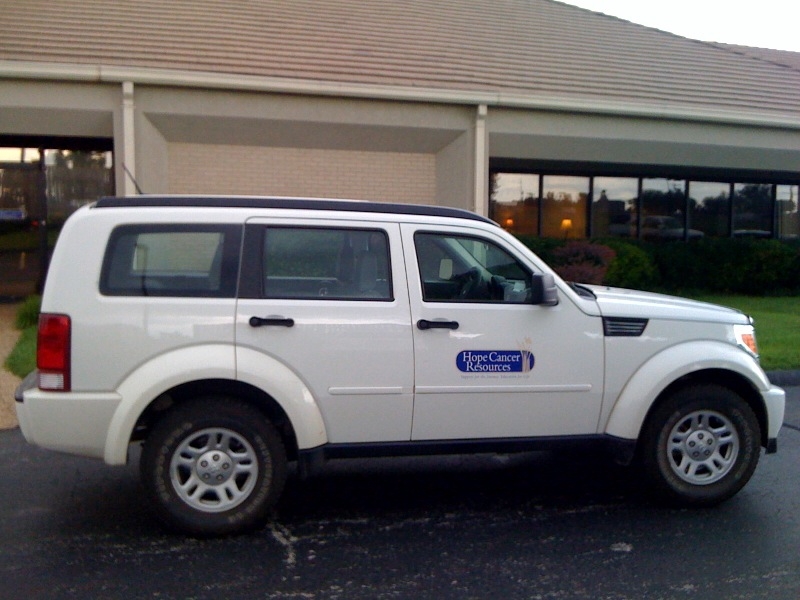
Transportation – Our drivers provide rides in Hope Cancer Resources' vehicles to and from treatment and other cancer-related medical appointments when a patient is unable to drive.

Prescription Assistance – We assist with the purchase of cancer-related prescriptions and will help find long-term drug assistance through pharmaceutical company assistance programs whenever possible.

Emergency Assistance – We provide direct, temporary assistance to cancer patients who are struggling financially due to their treatment, including payments for housing and/or transportation needs as well as dental needs associated with their cancer diagnosis.

Emotional Assistance - Licensed social workers help patients and caregivers cope with emotional distress. We offer counseling, education and information on support groups offered in our community, including those facilitated by our staff.

Spanish Interpretation - Our Spanish interpreter is available to assist patients during appointments as requested by patients and their caregivers. Contact Kathy Taylor at 479-361-5847 or by email


We are grateful for the support of our community and for our staff who provide such outstanding care. For more information on our services or how you can be involved, contact us at 479-361-5847.

Monday, November 28, 2011

Gifts for the Cancer Patient

The countdown is on! December holidays are only weeks away, and the shopping frenzy has begun for most of us. Given that 1 in 2 American men and 1 in 3 women will be diagnosed with cancer in their lifetimes it is not a stretch to assume that most of you have a friend or loved-one who is currently in treatment for cancer.

Before you start making your gift list, ask a few questions. Cancer patients can suffer from a number of strange and complex side-effects, depending on their diagnosis and treatment choices. Rather than try to cover all the possibilities for all the different types of cancer and treatments, we'll just suggest that you talk to your friend or loved-one's caregivers or family and in addition to asking about their favorite colors, you should ask the following questions:

Is the patient able to eat and swallow normally? A gift of fruit or baked goods would be a wonderful idea for many cancer patients, but those who are having trouble eating and swallowing because of radiation or surgery would probably not enjoy it as much as others. A good alternative would be gift certificates for a favorite frozen yogurt or ice cream shop. Not only are they easier to ingest, they also provide calories which many with eating challenges need in order to maintain their weight.

Is the patient experiencing any aversions to certain scents and smells? Some patients develop aversions to particular odors during treatment, making it hard to wear cologne and scented lotions or to have scented candles burning. Along the same lines, if you are thinking of making a meal or baking for the patient, it might be better to do so somewhere other than their own home.

How is the patient's cognitive ability? An assortment of books and puzzles are welcomed by many people who spend a lot of time in bed during an illness, but some cancer patients suffer from cognitive challenges due to radiation and even from chemotherapy treatments. These issues can turn things that were enjoyed before their treatment into new sources of frustration. CDs, iTunes gift cards or favorite movies on DVD may be a better choice.

For many cancer patients, what they really need is time and energy. The following ideas will provide one or the other - or both! - and certainly be meaningful for both of you. (Some even involve not making a purchase!)

Help them prepare for the holidays. Offer to help your friend address holiday cards, wrap gifts, run errands, or clean and prepare their home for holiday guests. Remember the hint we gave about odor-tolerance, and ask if there are certain cleaners that are better to use than others. Don't think you have to do it all yourself. You might be able to enlist your church's youth group or a local scout troop to help with some yard clean up, or to stop by and sing carols one evening.

Of course, some of us may have more money than time, so if you don't have the time to spend cleaning or running errands yourself, look for a local business that provides the services instead. Schedule a local company to come in and clean for your friend (maybe while you take them to a movie?) or order a holiday meal or some yummy desserts from a local caterer. Don't forget, little things can mean a lot: A drive through local neighborhoods to find holiday light displays could be a real treat for the patient who isn't able to get out in public often due to their treatments.

Provide a relaxing respite from their treatments. Studies have found that regular focus on relaxation techniques can be beneficial for cancer patients and survivors (and probably all of the rest of us!). Providing a gift certificate for a therapeutic massage, or some free Yoga classes might be exactly what your loved-one needs. Be sure to ask before you buy to see if the facility provides any classes specifically for people dealing with illness. If you live in Northwest Arkansas, there are massage therapists available to patients at Highlands Oncology Clinics in Fayetteville and Rogers.

Finally, if you are looking for a way to benefit many cancer patients this holiday season, consider making a memorial or honorarium gift. Memorials are a wonderful way to remember someone special while giving to others who need assistance during their time of need. Honorariums can be noted so that your loved-one receives a note stating that you gave a gift in their honor. More information on giving to Hope Cancer Resources is located on our website or by calling us at 479-361-5847.

Monday, June 20, 2011

Couple of Things

Part of our planning for the year involves finding new ways to raise awareness and donations. We love receiving financial gifts from new and repeat donors, as every non-profit organization does, but the focus we place on our mission and vision means that making people aware of our organziation and the services we provide is just as important. Indeed, it is more so.

We are doing a few things this summer to try to accomplish both of these goals...

Earlier this month we placed clear acrylic boxes in Eureka Pizza locations around Northwest Arkansas and in Fort Smith. The boxes don't feature a lot of information specifically describing our services due to space restrictions, but our website and social media links are listed. We hope to see an upswing in the visits to our site over the next few months as a result. The more people who visit our site, the more people we are potentially helping with our programs or information on cancer prevention. Of course, receiving some small donations would be wonderful too.

Throughout the month of July we will be hosted by Cafe Delta Soul as they partner with us for a promotion. Every Tuesday night they will donate 10% of their dinner sales and allow us to share a little information with their patrons. If you haven't visited Cafe Delta Soul yet, this is the perfect opportunity! They serve down-home-delicious Southern cooking like you wish your momma used to make. Catfish, ribs, creole specialties... all washed down with drinks in mason jars and served by some of the friendliest staff in town. Come see us and bring your friends!

Finally, we want to send out a big THANK YOU to J.B. Hunt Transportation for the "Jeans Day" fundraiser they organized for us! One of the ways we're trying to get our name and list of services out there is to partner with companies to do fundraisers or educational programs with their employees. We have two certified health educators on our staff who can bring information on a wide range of topics relating to cancer prevention and visit with
staff to let them know what they can do to be healthy and informed. In addition, we have information available about screening programs we hold throughout the year, local support groups and our patient assistance programs. We also have a Spanish interpreter on staff to assist with communication with Spanish-speaking employees. If your company would be interested in finding out more about these educational programs please contact Sandy Prince, MS, CHES, our V.P. of Cancer Education and Prevention or Casey Shelor, MS, CHES, our Cancer Education Coordinator.

Thank you, Northwest Arkansas, for everything you are doing to support us. We hope to see you soon!!

Tuesday, May 31, 2011

What's Up, June!?

If you live near Northwest Arkansas we hope you will put some big gold stars on your calendar on June 23-25th. Those are the dates of the annual Cancer Challenge events, and we know you'll find something that you will enjoy going to support their mission.

Check out this great line-up of activities:

06/23    

5:00 pm     Trap Shoot Practice & Social

06/24        Adult Tennis Tourney
                 Golf Tourney
                 Trap Shoot 

6:00 pm     Social Event & Auction

06/25     
8:00 am     Run Walk
                 Adult Tennis Tourney
                 Golf Tourney

See? We told you there was something for everyone! 

The Cancer Challenge is an organization that raises money in Northwest Arkansas to support other organizations that provide cancer support and education services in our area. Well, let's just let them tell you in their own words...
MISSION:
We are passionate, visionary and tenacious volunteers dedicated to the Cancer Challenge mission; to advocate and support world-class cancer care in Northwest Arkansas.  We are committed to cancer prevention & education; early detection & treatment, navigation and support; and survivorship initiatives.  We are a non-profit organization who has been caring for the community of Northwest Arkansas for over 18 years.

Our Vision:  A community that ... provides world-class cancer care for all people; believes in prevention and promotes healthy lifestyles; supports research in the hope for a cure; and offers cancer survivors encouragement and support.

The Cancer Challenge was founded in 1994 and in its first year raised $100,000. Since then the event has grown in size and impact on Northwest Arkansas and strives to raise $750,000 in 2011. To date, over $8.3 million dollars have been gifted back to our community to support much needed cancer services and programs.
Even if you can't make it to one of the sporting events (of if you're just not feeling terribly athletic this month) you can still join us for the gala and auction. The Cancer Challenge silent auction is unbelievable, and they're bringing the Evasons back this year to entertain. Hope to see you there!

Monday, April 4, 2011

Gentlemen, pay attention!

April is not off the hook. Even with all of its promise of warmer days and spring awakening and new life it is also a month that we recognize a type of cancer and work to raise awareness. In fact, there are three kinds on the board this month, but this week we'll share some information about testicular cancer.

Compared with other types of cancer, testicular cancer is rare - which is a great thing! According to the National Cancer Institute, 8,480 new cases were estimated to be diagnosed last year. That said, testicular cancer is the most common cancer diagnosed in American males between the ages of 15 and 34. The good news is that is highly treatable! Of those diagnosed last year, there were 350 deaths. That is good news - but in our opinion even a small mortality rate warrants the need for being informed and knowing when to see a doctor.

The most common symptoms as listed by the Mayo Clinic are as follows:
  • A lump or enlargement in either testicle
  • A feeling of heaviness in the scrotum
  • A dull ache in the abdomen or groin
  • A sudden collection of fluid in the scrotum
  • Pain or discomfort in a testicle or the scrotum
  • Enlargement or tenderness of the breasts
  • Unexplained fatigue or a general feeling of not being well

Cancer usually affects only one testicle, which should make it easier to detect an abnormality. See your doctor if you detect any pain, swelling or lumps in your testicles or groin area, especially if these signs and symptoms last longer than two weeks. Make an appointment with your doctor even if a lump in your testicle isn't painful, as only a small percentage of testicular cancers are painful from the outset.

Monday, February 14, 2011

"In Sickness and In Health"

In the days leading up to Valentine's Day we are bombarded with images of hearts and flowers, aisles crammed with candy and cards and love-themed gifts intended to prove the devotion of the giver. It's a time to intensify already growing feelings, or to reinforce those feelings that have already been there for a time... It's a time to sell a lot of candy and cards!

But sometimes the feelings that send people scrambling to the local Hallmark store the week before February 14th can be at risk of faltering in the face of illness. The mental and physical fatigue that can result from stress and tasks added to the "to-do" list of a caregiver is potentially devastating to even the strongest relationships. At the very least, it can put the caregiver at risk for needing their own mental health support, and they shouldn't be afraid to ask for it.

We're all capable of imagining the emotions a cancer patient might experience as they embark on their journey of treatment and recovery, but a study published in the Journal of Clinical Oncology and reported on Newsmax.com explored the stress levels of caregivers and found them at risk for their own emotional challenges. Thirteen percent (13%) of the people in the study acknowledged feelings that signaled problems such as anxiety disorder, depression, and post-traumatic stress disorder. It's easy for the outside world to focus on helping the patient as they fight the disease and not realize that a very intense battle is going on in the head and heart of the caregiver as well. Caregivers deal with a multitude of feelings, including:
  • fear - of losing their loved one;
  • anger - about their loved-one's diagnosis and/or for the added burden they they are being required to bear;
  • inadequacy - at not being able to do enough to help, or not doing it all well enough;
  • grief - for the loss of the "normal" life they were living before the diagnosis; 
  • guilt - that they are healthy, or they they are feeling some of the feelings listed above.

The best thing friends and family can do is offer to relieve the caregiver on occasion to allow them some time away from the stress of their duties. For some, it will hard to even admit that they need this help, but it's vital that the caregiver be allowed to need support as well as the patient. It may help to attend a support group for caregivers or to speak to a counselor one-on-one to share fears and frustrations. A good counselor will help them recognize that their needs are important, and that caring for their loved-one is a demanding task - one that requires someone who is also taking care of themselves.

If you are a caregiver and would like information on support groups in your area, check with your oncology clinic staff. Seek out the services of a licensed social worker or counselor to discuss your options for self-care. If you are in Northwest Arkansas you can contact us for assistance. Our licensed social workers are here to help you through this very difficult time - you might meet with them once and feel better equipped for your journey, or you may need someone to offer support on a long-term basis. Either way, we're here to help.

Remember that your love will help your loved-one see light at the end of the tunnel on some very difficult days, but it's okay if it's not enough to keep you from becoming exhausted. Taking care of you will help you take care of them.

Monday, February 7, 2011

Helping through the Hard Times

Have you ever taken one of those surveys that measures your level of stress? They ask questions like "Have you recently lost someone close to you?", "Have you recently become unemployed?", and "Are you recently divorced?". We use a similar assessment tool to measure the level of stress that new cancer patients are dealing with as they enter treatment. The tool helps our social workers understand what is going on with the patients and their families that could potentially impact their ability to get to their treatments, pay for their medications, and successfully maneuver through cancer treatment to get to the other side and become survivors.

One of the things we ask patients is what kind of support they have from family and friends. A patient has a much better chance of completing their treatment plan and getting to the recovery phase if they are supported by others. This support can be as simple as people sending them notes to remind them they are being thought of, or as involved as a neighbor cleaning their house from top to bottom once a week. There are, of course, a lot of "somewhere in between" options as well. We've scoured the internet and compiled a list of ideas to get you started. Please feel free to share it with others!

  • Buy or make a small arsenal of cards and send one regularly. Make sure the messages are upbeat and no so sympathetic that they make your friend focus on their illness. A little humor goes a long way.
  • Often the patient feels guilty about making their loved ones go through their difficult situation with them, so reassure them you love them anyway - and do it often.
  • Buy them a subscription to their favorite magazines. A Netflix subscription is also a great idea because they can pick up movies and videos right in their mail box.
  • Create a "Box of Smiles". Include silly gifts and items that will make the person smile. Favorite snacks, silly tee shirts, humorous books, aromatherapy candles, scented soaps, stuffed animals, tacky celebrity magazines - whatever they would find comforting and fun.
  • If the person is bed-bound or in the hospital for a while, send or drop off some fuzzy slippers or socks, high thread-count pillowcases (be sure to label them if they're in the hospital!), lavender scented linen spray, cozy pajamas, or massage lotions to make them feel pampered.
  • Spread gifts and visits out over time, especially if the person is chronically ill or will be hospitalized for an extended period. Give them something to look forward to as they make their journey.
  • If other family members are on site with the ill person they are probably feeling drained emotionally and physically, too. Include them when you can with a special treat, card, etc.. this is an especially good idea when there are children involved.
  • Offer to help with day-to-day needs like providing meals (they don't have to be home-cooked!), doing yard work, walking the dog, or driving the patient to an appointment. Recruit other friends or family members to form a team of support, with all of you joining forces to bring the person's spirits up. You can do this easily on LostaHelpingHands or CaringBridge websites. These sites also provide a place to update all the followers and schedule meals and volunteers to help.
  • Make yourself familiar with the patient's treatment schedule and time your assistance around it. For example, the first few days after chemo treatments can be physically difficult and might be the perfect time to drop off a meal, but not to stop by for a visit.
  • Take the kids out for a few hours. Many patients don't have the energy to do as much as they did before their illness, so let the patient (and caregiver) have a little time to themselves to relax at home while the kids explore the zoo or the local library.
  • Be specific with your offers of assistance. Don't tell the patient "Call me if you need anything." Instead, suggest specific things you can do for them, and ask what days of the week would work best. Check in once a week to see what's going on in coming days that you can help with.
  • Listen openly. It is important for a patient to be able to tell others how they are feeling without fear of negative reactions. Friends who can listen and not feel sorry for the patient or make them feel like their feelings are "wrong" are truly appreciated. 

Monday, January 10, 2011

January is Cervical Cancer Awareness Month!

While great strides have been made in reducing the number of deaths from cervical cancer over the last 50 years, it is still one of the most common cancers affecting female reproductive organs.  Most women show no symptoms of cervical cancer until the disease is in an advanced stage, which is why routine gynecological exams are vital in order to catch it early. It is imperative that women know what they can do to help prevent cervical cancer, what their risk factors are, and see their doctor immediately if they notice any signs or symptoms of advanced cervical cancer:
  • Vaginal bleeding after intercourse, between periods or after menopause;
  • Watery bloody vaginal discharge that may be heavy and have a foul odor;
  • Pelvic pain or pain during intercourse.
Several of the most common strains of Human Papillomavirus (or HPV) have been found to play a major role in the onset of cervical cancer in women as well as other forms of cancer in both men and women. For this reason, two vaccines, Gardasil and Cervarix, have been developed. The vaccines are administered to young women in three doses between the ages of 9 and 26, preferably before the onset of sexual activity. Please note: while these vaccines help prevent the most commonly occurring strains of sexually transmitted HPV, they do not prevent all forms of HPV and traditional forms of protection should continue to be used to guard against this and other sexually transmitted diseases.

All of this information and more can be found at Mayo Clinic's website

If you or anyone you know living in Northwest Arkansas is dealing with a cancer diagnosis and needs emotional support or financial assistance, please contact Hope Cancer Resources to find out what services we have to offer. Call (479) 361-5847.

Monday, December 20, 2010

Holiday Travels

For many cancer patients, the holidays will be coming to them. Friends and family will do the traveling to get to where they are in order to celebrate, and the patient can stay home where they are comfortable and get the rest they need. But for some, especially those for whom their treatments have ended or are not physically debilitating, there may some car or air travel in store. Two of the biggest challenges for a cancer patient who is traveling are comfort and energy. Both can be managed fairly well with a little advance planning.

If you're flying, be aware that you will be required to remove any hats you are wearing at the security check point in the airport. If you normally wear one due to hair loss, you might want to put a scarf on under it. If you are uncomfortable removing your hat at all, explain that you are undergoing cancer treatments and ask the security personnel if you can step behind a wall to remove your cap.

One common issue that accompanies many cancer treatments is lymphedema or edema. This can be very uncomfortable on a normal day, but when riding in a car for long distances or flying at high altitudes, it becomes even more painful. If you're flying, purchase your ticket by phone rather than buying tickets online and request a seat with more leg room. Many jets have a row of seats at the front of the coach cabin that provides a little more space for this kind of adjustment. In a car, scoot the front seat back as far as it will go and ride with your feet up on a pillow or bag in the floor. Plan to stop every couple of hours to take a short walk and get the circulation flowing again.

Many airlines do not provide pillows or blankets anymore, so be sure to pack a lightweight fleece in your carry on luggage that you can get to easily. If you can't carry an actual pillow with you, pack an inflatable bath pillow in your bag that can be blown up once you're on the flight to help you with lower back or neck pain.

Long-lasting energy is key during a long trip, and calories and protein are the best way to go. Peanut butter sandwiches, a bag of nuts or trail mix, and string cheese are easily packed and carried. Remember that you can't carry drinks into the airport, but it might be a good idea to purchase a big bottle of water once you're through security to help you stay hydrated on the trip.

Many people undergoing chemotherapy can have compromised immune systems. If you are not sure what your white blood count is, check with your oncologist's office to find out if they think it's safe for you to be in public spaces like airports and airplanes before you make your travel plans. At the very least, carry hand sanitizer and use it often as you encounter public restrooms and other areas that could hide some nasty germs (those plastic security bins at the airport, rental cars, etc...).

Always check with your oncologist before planning travel when you're undergoing cancer treatment. While we can provide a few tips, they know your specific situation and physical condition and may have other concerns than what we have touched on here.

We at Hope Cancer Resources wish you and yours a very happy holiday season and a wonderful new year in 2011!

Tuesday, April 13, 2010

You Know the Why, Now Let's Talk About the How

If you scroll back through past blog posts on this site, you will be made fully aware of the reasons we do the work we do... why we come to work every day and work so hard and make an effort to spread the word about our services and educational programs. It's a no-brainer. That's the "Why" part of this equation.

Also in this blog, you might hear about a fundraising campaign that we held or a goal that was met or an event that went well. The reason we share the money stories is because they are the struts that hold up the structure of our success. In essence, they are the "How".

No non-profit organization can operate without the support of their community. If the organization is International, their community encompasses the whole planet. If the organization is National in scope, the community gets a little smaller and takes in the country in which they are located. Then you have regional organizations and state-wide organizations... but we are none of these things. Hope Cancer Resources is a regional organization, but only within the state of Arkansas. We serve Washington, Benton, Carroll and Madison counties, and patients who live or are being treated in those counties.

This means that when we are raising money to support our services, we are looking to local businesses and corporations - just like every other non-profit organization in Northwest Arkansas. Because there is stiff competition for those charitable dollars (there are over 800 non-profit agencies in Washington county alone!) we are truly honored when a company decides to put a little bit of their budget in our hands. It's a trust that we do not take lightly.

We hope you'll indulge us as we spend a minute focusing on the companies that are sponsoring our upcoming race, the Heather Ridley-Fleeman Battle for Hope. Many of them can share personal stories about an employee or friend of the company who had cancer and who inspires their giving. We are immensely grateful that many of them have sponsored this event for several years - some since it started six years ago! We hope that you will support them, and let them know you appreciate their support of us by sharing some of your purchasing power with them.

2010 Sponsors
Heather Ridley-Fleeman Battle for Hope

Gold 
Decatur Assembly of God

Silver
The Scotts Company
AMP Marketing
Highlands Oncology Group

Bronze
North Hills Endoscopy Center
America's Car Mart
Dr. Thad & Melanie Beck
Special Services Cleaning of Tennessee
PepsiCo
Hope
Walker & Associates Realtors, Inc.
Leigh Ann & Carl Walker
Outdoor Cap
Tyson Foods
McKee Foods
La-Z-Boy

Friend
Fleet Feet Sports
Hull Dermatology, P.A.
Decatur State Bank
Farm Credit Services of Western Arkansas
NWA Gastroenterology Clinic
NWA Anesthesiology Associates
BBB Septic

Supporter
Threet Waste Management
NW Health System
Walker Brothers Insurance

Media Sponsors
Cox Media
NWA Newspapers
NWA Events Online
3W Magazine
Peekaboo Magazine
Hot Mix 101.9
Magic 107.9
KIX 104
93.3 The Eagle


Monday, April 5, 2010

Northwest Arkansas Cancer Registry

If you have browsed our website (and if you haven't - you should!) you may have seen that we have "the largest regional cancer registry in the state of Arkansas". Then you probably thought "Well, that's nice." But you probably also wondered what exactly it means to have a cancer registry at all, let alone the largest.

First, a basic definition:
A cancer registry is a data system designed to collect, manage and analyze health information of patients who have been diagnosed and treated for cancer. One goal of a cancer registry is to help assess and control the impact of cancer on the community where the registry is located. The primary goal is to improve care to cancer patients.


Where does the information come from?
The Northwest Arkansas Cancer Registry has been collecting cancer information since 1986 for all area hospitals and started collecting information from clinics and physicians' offices in 2001. the Registry reports this information to the Arkansas Central Cancer Registry for those hospitals and medical facilities that participate. Participation is required by law for all hospitals, clinics, physicians' offices or any facility that provides screening, diagnostic or therapeutic services for cancer patients. Information regarding Arkansas law and regulations can be found at Healthy Arkansas or by calling 1-800-462-0599.


How is the information used?
The information that is gathered is compared with that of other patients who have similar cancer diagnoses. Each facility can analyze their particular data and compare to all Northwest Arkansas data, Arkansas data and even data at the national level.

The NWA Cancer Registry can also release statistical information such as the frequency of certain types of cancer, demographic information such as age, sex and residence at the time of diagnosis, extent of disease at the time of diagnosis, types of treatment received and survival information. All information released is done so strictly for statistical purposes, no personal patient information is divulged to outside sources.


How current is the information we collect?
The Registry staff sends a brief annual questionnaire to participating physicians and former cancer patients. The questionnaires ask about the patient's vital and cancer status, any further cancer treatment, changes in address and new physicians the patient may be seeing. The Registry must keep up with any change in the patient's status in order to provide accurate reporting for statistical research and, ultimately, improved cancer care.

For more information on the Northwest Arkansas Cancer Registry, contact Pat Overton at 1-800-458-8954.

Tuesday, March 30, 2010

The Impact of Hope Cancer Resources

When you work for a non-profit organization, it kind of goes without saying that the passion for the stated mission helps drives your daily to-do list. It also helps keep you going on days that would, at times, make you question your sanity. But aside from that passion, it's the day-to-day impacts we see our work having in our community that really keep us focused. We have a budget and expenditures just like any for-profit entity, and we do report to a board of directors, and sharing numbers like the ones listed here truly humble and energize us on the toughest days.

Between September 1, 2009 and February 28, 2010

682
Newly diagnosed patients were seen by one of our social workers at Highlands Oncology Group

208 
New patient applications for financial assistance were processed.

$11,180
Average per month provided for Emergency Assistance (mortgage, rent, and/or car payments and utilities).

$2,752
Average per month provided as financial assistance for prescriptions related to a patient's cancer diagnosis.

$7,140
Average value per month of prescription assistance provided to patients through a Prescription Assistance Program (PAP).

60,994
Miles traveled to provide access to treatment for patients who do not have transportation or 
are unable to drive.

32 
Patients per month (on average) provided transportation for treatments.

270 
Cancer screenings and diagnostic tests provided through the Save-A-Life Program.

998
Cases abstracted through the Cancer Registry.


And then we receive notes like this in the mail...
"I would like to thank each and every person that is responsible for the scheduling and payment of my visit to the Community Clinic and NW Breast Center. If not for your financial assistance, I more than likely would not have been able to receive the treatment I needed. Your help is so very much appreciated."

Thank you for YOUR support of our mission - we can't do it without you.